Ultimate Guide to Die Casting Machine Parts: Elevating Metal Fabrication Excellence
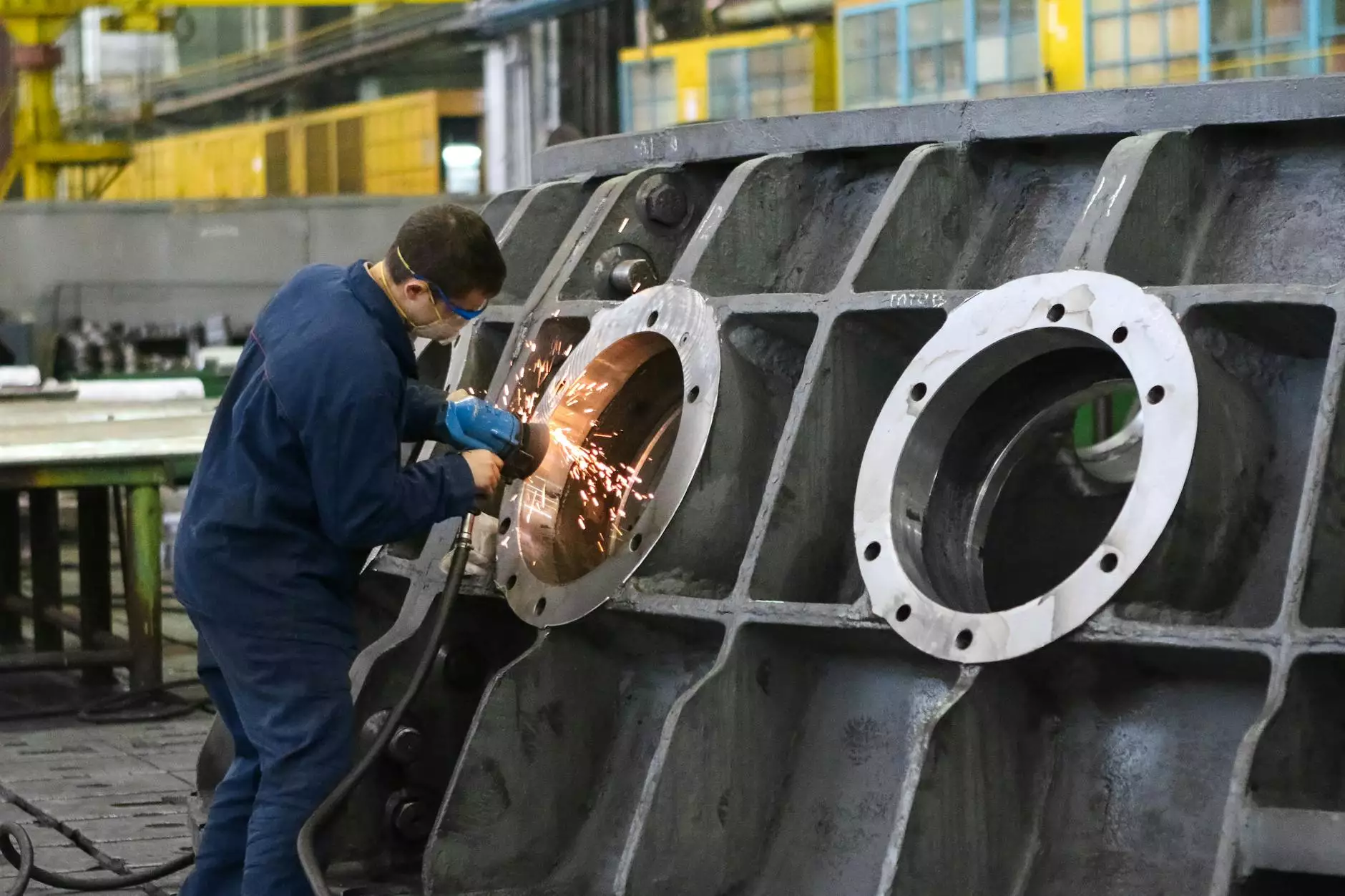
In the dynamic realm of metal fabrication, die casting machine parts play a pivotal role in ensuring precision, durability, and efficiency. Industry leaders like deepmould.net set the benchmark by offering cutting-edge components and innovative solutions that meet the rigorous demands of modern manufacturing processes. This comprehensive guide delves into the critical aspects of die casting machine parts, emphasizing their importance, manufacturing principles, material considerations, and how they drive success in the competitive landscape of metal fabrication.
Understanding the Significance of Die Casting Machine Parts
The foundation of any successful die casting operation hinges on the quality and functionality of its core components. Die casting machine parts encompass a broad spectrum of elements, including but not limited to, die sets, plungers, ejectors, heating systems, clamping units, and control mechanisms. Each component is meticulously engineered to withstand extreme pressures, high temperatures, and repetitive cycles, ensuring consistent output and minimal downtime.
Fundamentals of Die Casting Machinery
Before exploring specific machine parts, it’s essential to comprehend the fundamental working principles of die casting machines:
- High-Pressure Injection: Molten metal is injected into a precision-engineered mold at high velocity and pressure.
- Rapid Cooling and Solidification: The metal cools and solidifies in the mold cavity to form the desired shape.
- Part Ejection and Mold Opening: Once cooled, the mold opens and ejector mechanisms release the newly formed component.
At every stage, specialized die casting machine parts ensure seamless operation, high productivity, and superior quality outputs. The synergy between these components defines the efficiency and lifespan of the entire system.
Key Categories of Die Casting Machine Parts
1. Die Sets and Molds
The die sets consist of two main parts: the cover die and the ejector die. Precision in manufacturing these parts directly influences the cast quality. Modern die sets are made from high-grade steel alloys with excellent wear resistance and thermal stability, ensuring longevity and precision during repetitive casting cycles.
2. Clamping and Toggle Units
The clamping units hold the mold halves firmly together during injection, preventing any blowout or leakage. This assembly often includes toggle mechanisms that provide the necessary force and control, optimized for various casting sizes and complexities.
3. Injection Components
These include the *plunger or piston*, *injection necks*, and *nozzles*, which regulate the flow of molten metal. The accuracy and durability of these parts are critical, especially when dealing with alloys such as zinc, aluminum, magnesium, or copper.
4. Ejector and Moving Components
The ejector pins and mechanisms facilitate the smooth removal of cast parts from the mold without impairing the finished surface. These components are designed with high-strength materials to endure repeated impacts and prevent deformation.
5. Heating Systems and Fluxing Devices
Consistent temperature control is vital for optimal casting. Heating elements, thermocouples, and fluxing systems contribute to maintaining the right mold temperature, impacting the flow of metal and casting quality.
6. Hydraulic and Electrical Systems
Hydraulic mechanisms power essential functions such as opening/closing molds, ejecting parts, and adjusting various parameters. Meanwhile, sophisticated electrical controls enable process automation and real-time monitoring for enhanced precision and efficiency.
Material Selection for Die Casting Machine Parts
The durability and performance of die casting machine parts largely depend on the materials used during manufacturing. Industry-leading manufacturers prioritize materials with high wear resistance, thermal stability, and corrosion resistance. Common materials include:
- High-Speed Steel (HSS): Ideal for cutting tools and die components, offering excellent hardness and toughness.
- Tool Steels (e.g., H13, P20): Widely used for die sets due to their heat resistance and toughness.
- Ceramics: Used in heating elements and insulating parts for thermal stability.
- Aluminum Alloys: For lightweight components requiring high strength-to-weight ratios.
The selection process involves balancing factors like cost, wearability, thermal expansion, and compatibility with casting materials to produce components that perform reliably over extensive cycles.
Manufacturing Processes for Die Casting Machine Parts
Producing die casting machine parts demands advanced manufacturing techniques to meet strict tolerances and quality standards. Key processes include:
- CNC Machining: For achieving high precision and intricate details, ensuring perfect fits and surface finish.
- Forging and Heat Treatment: To enhance strength and toughness, especially for load-bearing parts.
- Grinding and Surface Finishing: To remove imperfections and improve wear resistance.
- Coating and Plating: Applied to prevent corrosion and reduce friction, extending service life.
Manufacturers like deepmould.net employ state-of-the-art technologies, including additive manufacturing and laser hardening, to produce superior die casting machine parts.
Maintenance and Lifecycle Management of Die Casting Machine Parts
Proper maintenance is vital to maximize the operational lifespan of die casting machine parts. Regular inspection, lubrication, and timely replacement prevent unplanned downtime. Key practices include:
- Routine checking of mold alignment and wear patterns.
- Monitoring hydraulic and electrical system performance.
- Implementing predictive maintenance protocols using sensor technology.
- Using high-quality lubricants and protective coatings to reduce friction and corrosion.
Adopting a comprehensive lifecycle management approach not only enhances productivity but also significantly reduces overall operational costs.
Innovation and Future Trends in Die Casting Machine Parts
The industry is witnessing rapid innovation driven by technological advancements. Notable trends include:
- Smart Components: Integration of sensors and IoT for real-time monitoring and predictive maintenance.
- Advanced Materials: Development of composites and specialized alloys for enhanced performance.
- Automation and AI: Automated inspection, quality control, and process optimization.
- Sustainable Manufacturing: Focus on environmentally friendly materials and energy-efficient processes.
Leaders like deepmould.net are spearheading these innovations, ensuring their die casting machine parts meet the evolving demands of the global market.
Why Choose Deepmould.net for Your Die Casting Machine Parts Needs?
As a trusted name in the metal fabricators industry, deepmould.net offers:
- High-Quality Manufacturing: Precision-engineered parts adhering to international standards.
- Customization: Tailored solutions to meet specific operational requirements.
- Innovative Technologies: Cutting-edge production methods ensuring durability and performance.
- Comprehensive Support: Technical assistance, maintenance services, and after-sales support.
- Competitive Pricing: Cost-effective solutions without compromising quality.
Conclusion: Unlocking the Full Potential of Your Metal Fabrication Operations
The importance of die casting machine parts in the overall success of metal manufacturing cannot be overstated. From rapid prototyping to mass production, these components form the backbone of delivery quality, efficiency, and sustainability. By leveraging advanced materials, innovative manufacturing techniques, and expert support from industry leaders like deepmould.net, businesses can achieve operational excellence and maintain a competitive edge in the global market.
Investing in superior die casting machine parts is not just about equipment; it’s about establishing a foundation for continuous growth, technological innovation, and industrial leadership. Embrace the future of metal fabrication with confidence, knowing that high-quality components are your pathway to success.