Understanding the Costs and Quality of Fixing Pectus Excavatum: A Complete Guide
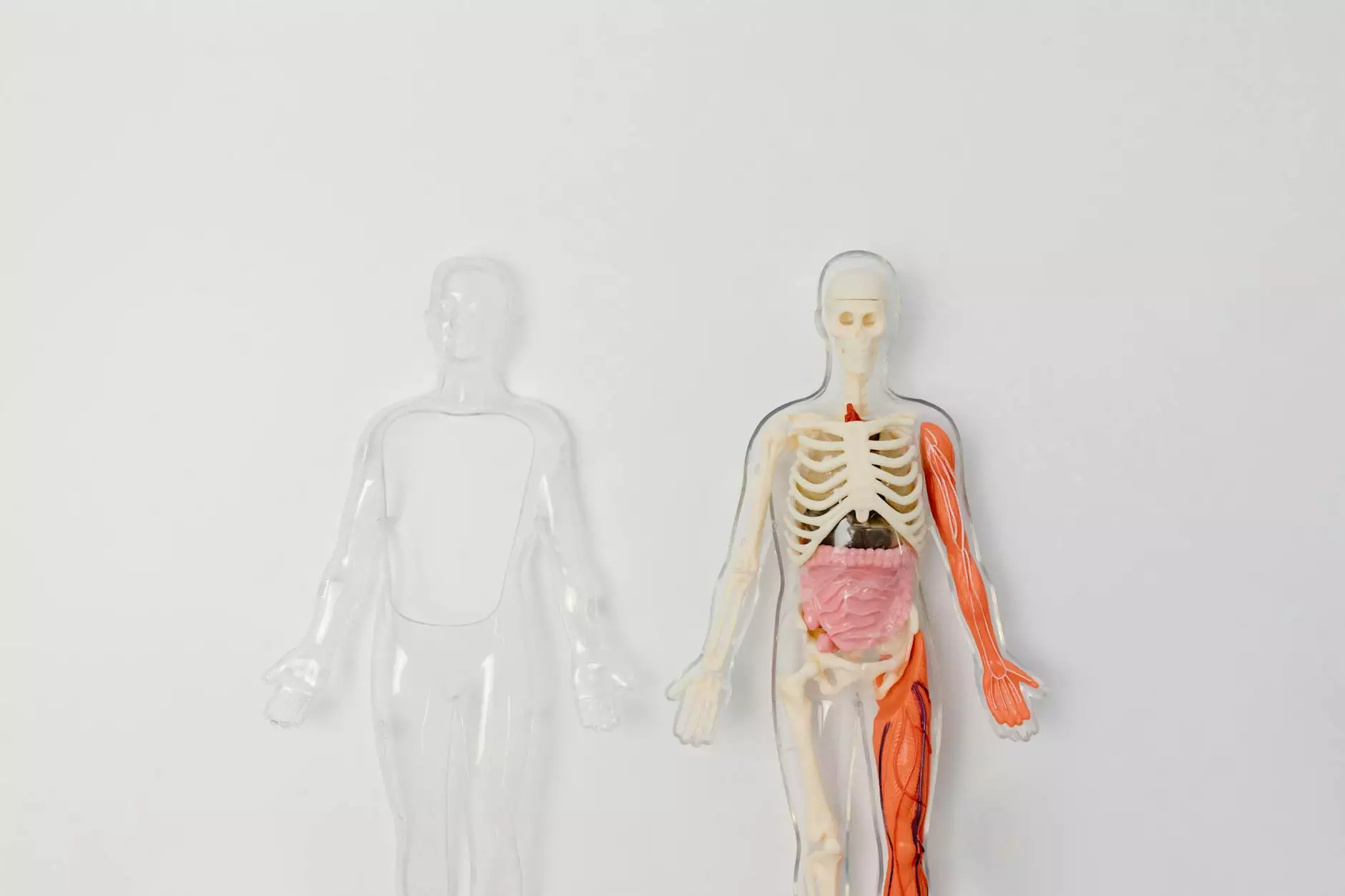
Pectus excavatum, often referred to as a sunken chest or funnel chest, is a congenital deformity characterized by a concave sternum and rib cage, leading to aesthetic concerns, breathing difficulties, and potential physical limitations. As awareness grows, many individuals seek effective and lasting solutions to correct this condition. Among the various options available, surgical repair has proven to be the most reliable, with the cost ranging widely depending on geographic location, the expertise of medical professionals, and the type of procedure employed.
What Is Pectus Excavatum and Why Consider Surgical Correction?
Pectus excavatum affects approximately 1 in 300 to 400 live births, making it a relatively common chest wall deformity. The condition can manifest as a visible depression in the sternum, leading to physical symptoms such as:
- Reduced cardiovascular and respiratory efficiency
- Discomfort or pain in the chest area
- Postural issues and rib cage asymmetry
- Psychological impact due to appearance concerns
Types of Surgical Procedures to Fix Pectus Excavatum
The primary surgical interventions designed to correct pectus excavatum include:
- Nuss Procedure: A minimally invasive technique where a curved metal bar is inserted beneath the sternum to elevate the chest wall. This method typically involves smaller incisions and a shorter recovery time, making it popular among patients seeking effective correction with less invasiveness.
- Ravitch Procedure: An open surgical method where cartilage is resected, and the sternum is repositioned. Although more invasive, it may be preferred for severe deformities or cases refractory to minimally invasive approaches.
How Much Does It Cost to Fix Pectus Excavatum?
The question, "how much does it cost to fix pectus excavatum", is a crucial consideration for those contemplating surgical correction. The costs associated with correction procedures can vary considerably based on multiple factors:
Factors Influencing the Cost of Pectus Excavatum Repair
- Geographic Location: Urban centers and countries with advanced healthcare infrastructure typically have higher procedural costs.
- Type of Procedure: Minimally invasive Nuss procedures generally cost less than open Ravitch surgeries, though this can vary based on case complexity.
- Expertise of Medical Team: Renowned thoracic surgeons or clinics with extensive experience usually charge premium fees.
- Hospital or Clinic Facilities: State-of-the-art centers with comprehensive pre- and post-operative care packages tend to have higher prices.
- Post-Operative Care and Follow-up: Costs may include hospitalization, anesthesia, medications, imaging, and follow-up visits.
- Insurance Coverage: Coverage, if available, can significantly reduce out-of-pocket expenses, though coverage varies widely.
Estimated Cost Ranges
Typically, in the United States, the cost to fix pectus excavatum via surgery ranges from approximately $40,000 to $80,000. In other countries, such as those in Europe or Asia, prices may be somewhat lower, around $20,000 to $50,000. It's essential to understand that these figures encompass surgical fees, anesthesia, hospital charges, and post-operative care.
For example:
- In the United States: The average cost for the Nuss procedure is approximately $50,000–$70,000.
- In the UK and Europe: Costs typically range between £20,000–£40,000.
- In Asia: Procedures might cost between $15,000–$30,000.
Why Choosing a Reputable Medical Spa or Clinic Matters
When considering medical spas or clinics, particularly those specializing in health & medical procedures like fixing pectus excavatum, selecting a facility with proven expertise is paramount. Reputable clinics such as elclinics.com prioritize:
- Experienced Medical Doctors with specialization in thoracic surgery and minimally invasive procedures
- State-of-the-Art Equipment for diagnostics and surgical procedures
- Comprehensive Pre- and Post-Operative Care including consultations, imaging, and rehabilitation
- Patient-Centric Approach ensuring tailored treatment plans based on individual needs
- High Safety Standards protocols and accreditation ensuring safety and successful outcomes
The Benefits of Correcting Pectus Excavatum at Leading Medical Spas and Clinics
Opting for corrective intervention at reputable centers offers numerous advantages:
- Enhanced Physical Health: Improved respiratory and cardiovascular functions
- Superior Cosmetic Results: Restored chest contour and posture
- Reduced Recovery Time: Advanced surgical techniques and postoperative care facilitate quicker return to daily activities
- Emotional and Psychological Well-being: Increased self-esteem and confidence post-correction
- Long-term Satisfaction: Durable results with minimal recurrence or complications
How to Prepare for Your Pectus Excavatum Surgery
Successful surgical correction begins with thorough preparation:
- Consult with a qualified thoracic surgeon to assess the severity and suitability for surgery
- Undergo necessary diagnostics including chest imaging and pulmonary assessments
- Discuss your medical history and current medications with your healthcare provider
- Follow pre-surgical instructions such as fasting and medication adjustments
- Arrange for post-operative care, including transportation and assistance during recovery
Recovery and Post-Operative Care for Pectus Excavatum Patients
Post-surgical recovery times vary, typically spanning from a few weeks to a few months, depending on the procedure and individual health. During recovery:
- Follow all medical advisories: including activity restrictions and medication regimens
- Attend scheduled follow-up appointments: to monitor healing progress and address complications early
- Implement physical therapy if advised: to restore mobility and strength
- Avoid strenuous activities: until cleared by your doctor
Final Thoughts: Investing in Quality for Optimal Results
When contemplating how much does it cost to fix pectus excavatum, it's vital to look beyond just pricing. Investing in a reputable clinic with experienced doctors, cutting-edge technology, and personalized care ensures that you achieve the best possible outcome. Reputable medical spaces such as elclinics.com exemplify excellence in health and medical services, specializing in innovative chest deformity corrections. Remember, the goal is not just a cosmetic fix but a comprehensive health improvement with durable, natural-looking results.
Embark on Your Journey Toward Better Health and Confidence Today
Whether you seek to improve physical health, restore confidence, or both, understanding the detailed aspects of fixing pectus excavatum is the first step toward making an informed decision. Explore well-established clinics, discuss your options with medical professionals, and consider the long-term benefits of corrective surgery. High-quality care, advanced procedures, and a personalized approach will ultimately lead you to a healthier, happier life with a more natural chest appearance.