The Future of Healthcare: Building a Successful Mobile Dialysis Business for Modern Medical Centers
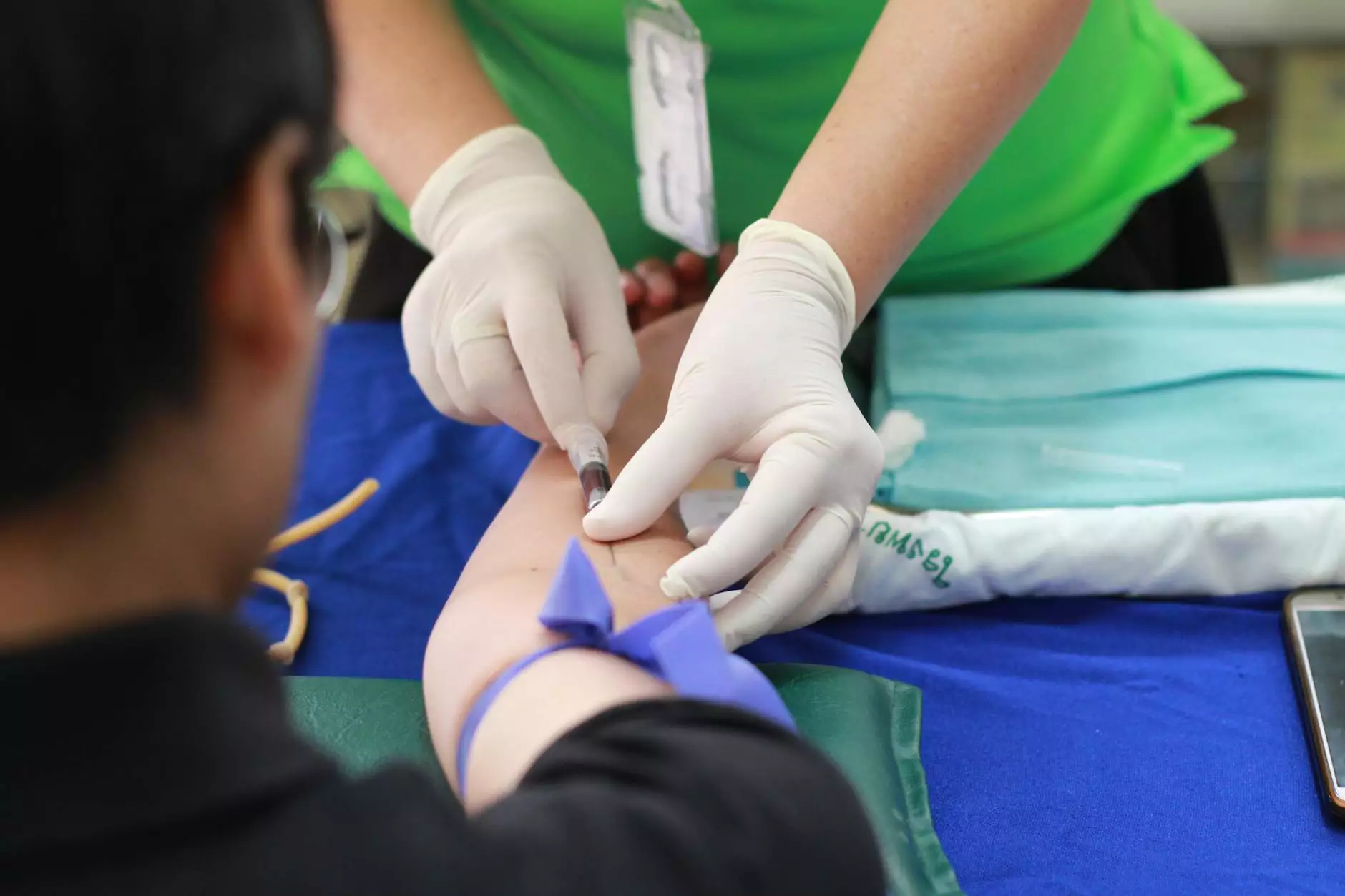
In the rapidly evolving landscape of healthcare, flexibility, accessibility, and patient-centric services are becoming the keystones of a successful medical practice. Among these, mobile dialysis services stand out as a revolutionary approach to delivering vital treatments directly to patients in their homes or community settings. For medical centers aiming to expand their services, establishing a robust mobile dialysis business offers immense opportunities to improve patient outcomes, elevate care standards, and increase revenue streams.
Understanding the Significance of a Mobile Dialysis Business
The concept of mobile dialysis refers to the provision of dialysis treatments delivered outside traditional hospital or clinic settings, often through specialized mobile units equipped with state-of-the-art dialysis infrastructure. This innovative approach addresses numerous challenges associated with traditional in-center dialysis, such as transportation barriers, accessibility issues, and patient convenience.
Developing a thriving mobile dialysis business within your medical center involves understanding the healthcare needs of your community, investing in technology, and delivering personalized, high-quality care. Below, we explore why this business model is pivotal for modern healthcare providers and how to excel in this competitive field.
Advantages of Developing a Mobile Dialysis Business in Your Medical Center
- Enhanced Patient Accessibility: Mobilizing dialysis treatments eliminates the need for patients to travel long distances, especially benefitting those with limited mobility or residing in remote areas.
- Improved Patient Outcomes: Consistent and convenient dialysis appointments contribute to better health management and reduced hospitalization rates.
- Cost Efficiency for Patients and Providers: Reducing transportation costs and optimizing resource utilization can lead to significant savings.
- Competitive Edge: Offering mobile dialysis services positions your medical center as an innovative leader, attracting more patients seeking personalized care.
- Flexibility and Scalability: Mobile units can be expanded or repositioned based on community needs, allowing your business to adapt to changing healthcare landscapes.
Essential Components for Building a Successful Mobile Dialysis Business
1. Cutting-Edge Technology and Equipment
Investing in advanced dialysis machines, portable systems, and remote monitoring tools is fundamental. These technologies ensure safe, efficient, and consistent treatments across various locations. Features such as real-time data transmission, automated settings, and user-friendly interfaces enhance operational efficiency and patient safety.
2. Professional and Certified Medical Staff
Staffing your mobile dialysis business with experienced nephrologists, skilled dialysis nurses, and technicians guarantees high-quality care. Thorough training in mobile unit operations, infection control, and emergency response are vital to maintain safety standards.
3. Robust Infection Control and Safety Protocols
Ensuring patient safety is paramount. Implement strict infection control guidelines, regular sanitization, and emergency preparedness procedures to prevent complications and assure both patients and staff of your commitment to safety.
4. Strategic Route and Service Planning
Careful mapping of service routes and scheduling helps optimize coverage and minimizes downtime. Use geographic information systems (GIS) and patient data analytics to identify high-demand areas and tailor services accordingly.
5. Seamless Integration with Existing Healthcare Infrastructure
Ensure that your mobile dialysis units are integrated with your medical center’s electronic health records (EHR) systems, pharmacy services, and referral networks. This integration streamlines patient management and enhances continuity of care.
Regulatory Compliance and Accreditation
Complying with healthcare regulations such as the Health Insurance Portability and Accountability Act (HIPAA), safety standards, and licensing requirements is critical. Obtaining accreditation from bodies like The Joint Commission (TJC) reinforces your commitment to quality and safety, building trust among patients and partners.
Effective Marketing Strategies to Expand Your Mobile Dialysis Business
- Community Engagement: Partner with local community organizations, senior centers, and primary care providers to increase awareness and referrals.
- Educational Campaigns: Educate the public and healthcare professionals about the benefits of mobile dialysis through seminars, webinars, and social media.
- Patient Testimonials and Success Stories: Showcase positive patient experiences to build credibility and attract new clients.
- Digital Marketing: Optimize your website with SEO strategies targeting keywords like mobile dialysis business and related phrases. Use targeted advertisements to reach your demographic.
Technology Integration and Innovation in Mobile Dialysis
Embracing innovative technology is crucial for standing out in the medical centers industry. Remote monitoring devices, telehealth consultations, and AI-driven analytics enhance personalized patient care and operational efficiency. Mobile units equipped with smart dialysis machines facilitate real-time data sharing with specialists, enabling prompt interventions when necessary.
Building Trust and Ensuring Patient Satisfaction
Providing compassionate, personalized care and maintaining transparent communication fosters patient trust. Regular follow-ups, educational support, and addressing individual needs contribute to high patient retention rates and positive reviews, essential for organic growth.
Financial Considerations and Business Models
1. Revenue Streams
- Insurance reimbursements: Collaborate with Medicare, Medicaid, and private insurers.
- Direct patient payments: For uncovered services or out-of-pocket payments.
- Partnerships and contracts: Establish agreements with healthcare providers and payers.
2. Cost Management
Optimize operational costs through route efficiency, maintenance scheduling, and bulk procurement of supplies. Consider leasing vs. purchasing equipment based on your financial strategy.
3. Marketing and Growth Investment
Allocate resources for community outreach, digital marketing, staff training, and technological upgrades to sustain growth and competitiveness.
Challenges and How to Overcome Them
- Regulatory hurdles: Stay informed and compliant with evolving healthcare policies.
- Logistical complexities: Use sophisticated route planning and real-time monitoring systems.
- Funding constraints: Explore grants, partnerships, and flexible financing options.
- Patient engagement: Use educational initiatives and excellent customer service to foster loyalty.
Industry Trends and Future Outlook
The medical industry is witnessing a surge in mobile healthcare services, driven by advancements in portable medical technology, telemedicine, and a shift towards patient-centered care. The mobile dialysis business is positioned to become a cornerstone of community health strategies, particularly as healthcare systems prioritize cost-effective and accessible treatments.
In addition, innovations like artificial intelligence and machine learning will enable even further personalization and predictive analytics, improving treatment outcomes and operational efficiency.
Conclusion: Embracing Innovation to Lead the Future of Medical Care
Developing a robust mobile dialysis business is not just a lucrative opportunity — it's a commitment to transforming healthcare delivery. By leveraging latest technology, dedicated expert staff, and strategic planning, your medical center can become a leader in patient-centered, accessible, and innovative healthcare services. Embrace the future, and position your practice at the forefront of the medical centers industry with a well-executed mobile dialysis initiative that prioritizes quality, safety, and patient satisfaction above all.
For medical centers intending to excel in this domain, the pathway to success involves comprehensive planning, continuous innovation, and unwavering dedication to exceptional patient care. The mobile dialysis business represents a vital step toward reshaping the landscape of healthcare, ensuring that no patient is left behind due to accessibility barriers.
Start building your mobile dialysis business today and lead the change in modern, compassionate, and effective healthcare delivery.